

In today’s competitive marketplace, building a strong and recognizable brand is essential for any business aiming to stand out. While digital marketing and advertising play a major role, physical branding elements remain equally powerful. One of the most effective and timeless tools for promoting a professional image is custom embroidery shirts. These garments not only enhance brand visibility but also communicate credibility, consistency, and attention to detail.
This comprehensive guide explores how custom embroidered shirts can elevate your business branding, the benefits they offer, and how to design them effectively for maximum impact.
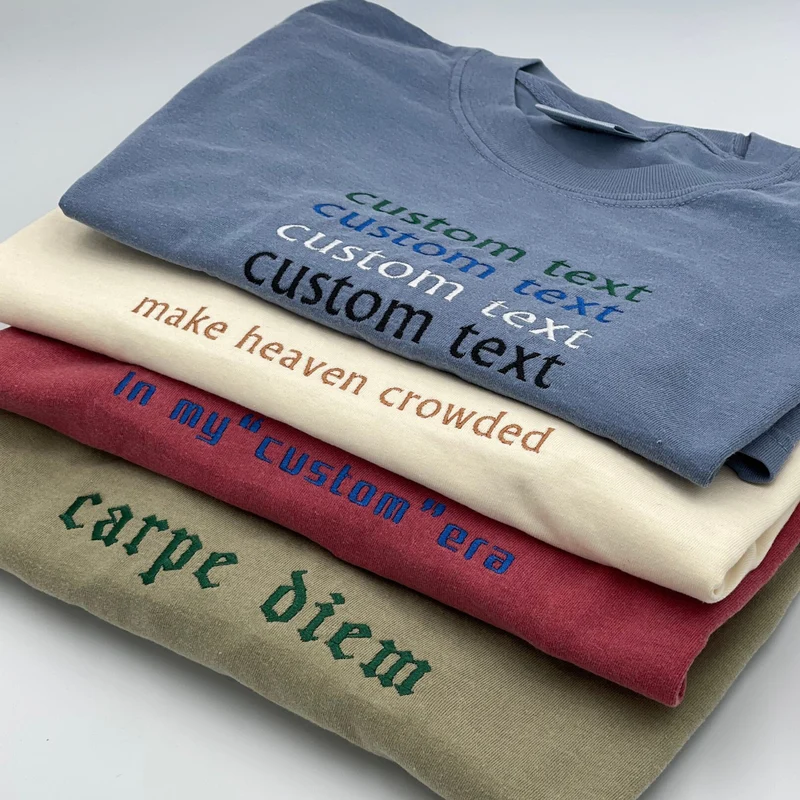
Why Custom Embroidery Shirts Matter for Branding
Custom embroidery shirts serve as walking advertisements for your business. Unlike printed designs that may fade or peel over time, embroidery offers durability and a premium look. When employees wear embroidered shirts featuring your company logo, they create a cohesive and professional appearance that builds trust among customers.
Branding is all about perception. When customers see a well-dressed team wearing consistent, high-quality apparel, it reflects positively on the company. It signals reliability, organization, and professionalism—qualities that influence purchasing decisions.
Benefits of Embroidered Shirts for Businesses
1. Professional Appearance
Embroidery adds a textured, polished finish that instantly elevates the look of a shirt. Whether it’s a polo, button-down, or uniform tee, embroidered logos appear more refined than printed ones. This is especially important for customer-facing roles such as retail staff, hospitality workers, and sales representatives.
2. Long-Lasting Durability
One of the biggest advantages of embroidery is its longevity. Stitched designs withstand repeated washing and daily wear without losing their quality. This makes embroidered shirts a cost-effective branding investment over time.
3. Strong Brand Recognition
Consistent use of your logo across employee uniforms helps reinforce brand identity. Every interaction your team has—whether in-store, at events, or in public—becomes an opportunity to increase brand awareness.
4. Versatility Across Industries
Custom embroidery shirts are suitable for a wide range of industries, including corporate offices, construction, healthcare, retail, and hospitality. They can be customized for both formal and casual environments.
5. Enhanced Team Unity
Uniforms create a sense of belonging among employees. When everyone wears the same branded apparel, it fosters teamwork and strengthens company culture.
Choosing the Right Shirts for Embroidery
Selecting the right type of shirt is crucial for achieving the desired branding effect. Consider the following factors:
Fabric Quality
Choose high-quality fabrics like cotton, polyester blends, or performance materials. These fabrics not only feel comfortable but also hold embroidery well without puckering or distortion.
Shirt Style
Different styles serve different purposes:
- Polos for a smart-casual look
- Button-down shirts for formal settings
- T-shirts for casual or promotional use
Color Selection
Pick colors that align with your brand identity. Ensure there is enough contrast between the shirt color and the embroidery thread so the logo remains visible and impactful.
Designing an Effective Embroidered Logo
The success of your custom embroidery shirts depends heavily on the design of your logo. Here are key considerations:
Keep It Simple
Intricate designs with too many details may not translate well into embroidery. Simplified logos with clean lines and bold elements produce better results.
Choose the Right Size
Logos are typically placed on the left chest area and should be proportionate—not too large or too small. A standard size ensures visibility without overwhelming the shirt.
Select Appropriate Colors
Use thread colors that match your brand palette. Avoid using too many colors, as this can increase production costs and complicate the design.
Consider Placement Options
While the left chest is the most common placement, other options include:
- Sleeve embroidery
- Back designs for promotional shirts
- Collar accents for a unique touch
The Embroidery Process Explained
Understanding the embroidery process can help you make informed decisions when ordering custom shirts.
- Digitization: Your logo is converted into a digital file that embroidery machines can read. This step determines how the design will be stitched.
- Thread Selection: Colors and thread types are chosen based on your design and fabric.
- Stitching: The embroidery machine stitches the design onto the shirt with precision.
- Quality Check: Finished products are inspected to ensure consistency and accuracy.
A well-digitized design is essential for achieving a clean and professional finish.
Cost Considerations
While embroidery may have a higher upfront cost compared to printing, it offers better long-term value due to its durability. Factors affecting cost include:
- Number of shirts ordered
- Complexity of the design
- Number of thread colors
- Size of the embroidery
Bulk orders often reduce the cost per unit, making it more affordable for businesses outfitting entire teams.
Using Embroidered Shirts for Marketing
Custom embroidery shirts are not just uniforms—they are powerful marketing tools.
Trade Shows and Events
Outfitting your team in branded shirts at events creates a cohesive and professional presence. It also makes your staff easily identifiable to potential customers.
Customer Engagement
Employees wearing branded apparel outside the workplace—during commutes or errands—extend your brand’s reach organically.
Promotional Giveaways
High-quality embroidered shirts can also be used as promotional items for loyal customers or partners, leaving a lasting impression.
Maintenance and Care Tips
To ensure your embroidered shirts maintain their quality:
- Wash them inside out to protect the stitching
- Use mild detergents
- Avoid high heat during drying
- Do not iron directly over the embroidery
Proper care extends the life of both the shirt and the embroidered design.
Common Mistakes to Avoid
Overcomplicating the Design
Too much detail can make the embroidery look cluttered and unclear.
Choosing Low-Quality Shirts
Even the best embroidery cannot compensate for poor fabric quality.
Ignoring Brand Consistency
Using different logo versions or colors across shirts can weaken your brand identity.
Poor Placement Decisions
Incorrect placement can make the design look awkward or less visible.
Future Trends in Embroidery Branding
As businesses continue to invest in branding, embroidery is evolving with new trends:
- Minimalist logo designs
- Eco-friendly fabrics and threads
- Tonal embroidery for a subtle, modern look
- Combination of embroidery with other customization techniques
Staying updated with these trends can help your brand remain fresh and relevant.
Conclusion
Custom embroidery shirts are a powerful and reliable tool for business branding. They combine durability, professionalism, and visual appeal to create a lasting impression on customers. From enhancing team unity to boosting brand recognition, embroidered apparel offers benefits that go beyond simple uniforms.
By carefully selecting shirt styles, designing effective logos, and maintaining consistency, businesses can leverage embroidered shirts as a long-term branding investment. Whether you are a small startup or an established company, incorporating custom embroidery into your branding strategy can significantly elevate your business image and visibility.
