

Modern technology has helped develop embroidery far beyond regular hand stitching. Nowadays, the embroidery machine is capable of working with elaborate, repetitive and very detailed patterns- though not when using incorrectly digitised files. This is where embroidery digitising is necessary. Embroidery digitising is not merely the process of transforming an image into stitches; it is a technical and creative undertaking that requires skill, planning, and accuracy. All the stitches, lines, and density should be tightly controlled to make the embroidery work’s end product clean, professional, and durable. This detailed manual will teach you how embroidery digitising involves a personal design, every part of the process, the essential skills, and why the poor results of digitising are not like the high-quality outcomes.
What is Embroidery Digitizing?
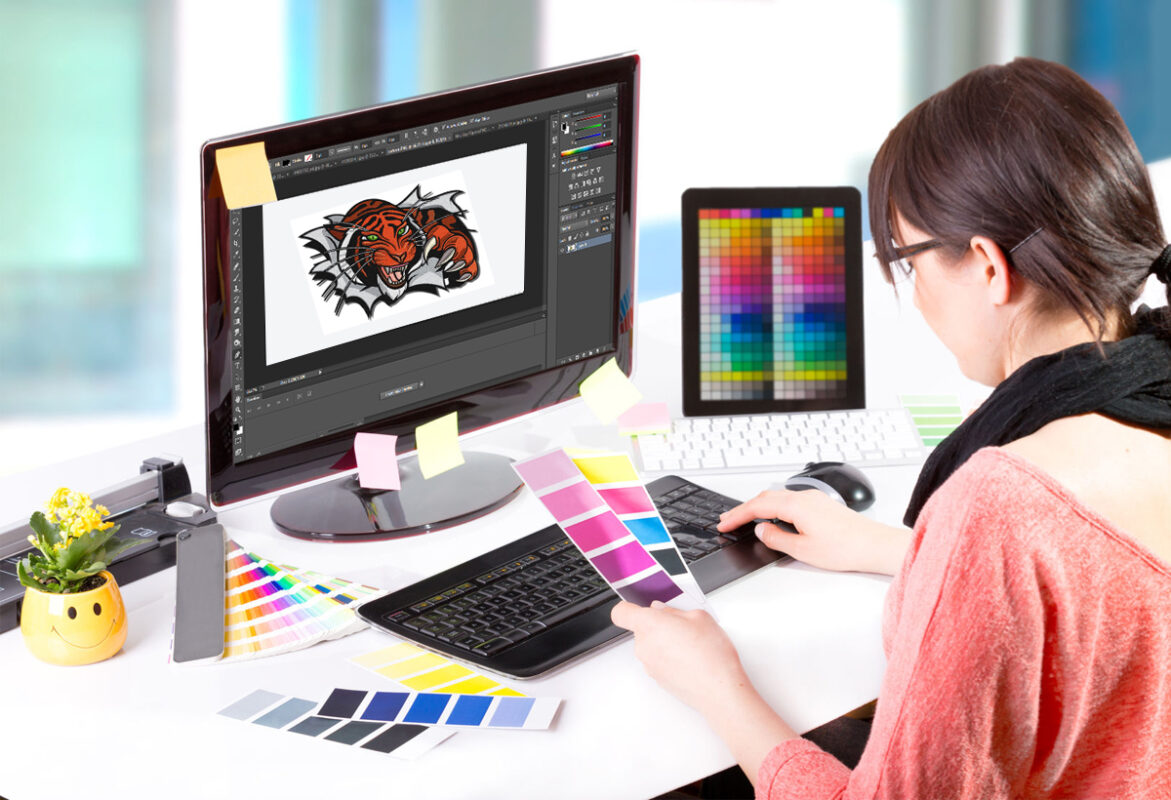
Embroidery digitizing is the process of transforming a work of art, such as a logo, illustration, or text, into a stitch file that an embroidery machine can read. Embroidery compares to printing in that, unlike printing, the design must be redone in stitches. This does not imply that the digitiser will load an image into the software and press a button. They instead define the process of manually designing a stitch by specifying stitch types, directions, and sequences.
A digitized file contains instructions such as:
- Stitch type (fill, satin, running stitch)
- Stitch direction and angles
- Thread color changes
- Stitch density and spacing
- Entry and exit points for the needle
These instructions guide the embroidery machine step-by-step, ensuring accurate reproduction of the design on fabric.
Why Embroidery Digitizing is Crucial for Custom Designs
Embroidery machines cannot read common image formats like JPG, PNG, or SVG. Without digitizing, the machine has no understanding of how to stitch the design.
Proper digitizing ensures:
- Clean and sharp design output
- Reduced thread breaks and machine errors
- Balanced stitching without fabric distortion
- Consistent results across multiple garments
Poor digitizing, on the other hand, leads to uneven stitching, puckering, and wasted materials. That’s why digitizing is often considered the most important step in embroidery production.
Step-by-Step Process of Embroidery Digitizing
Understanding the detailed workflow helps you see why digitizing requires both technical knowledge and artistic judgment.
Receiving and Analyzing the Artwork
The process begins when the client provides a design file. This could be a logo, text, or illustration in formats like PNG, JPG, AI, or PDF.
At this stage, the digitizer carefully evaluates:
- Image quality and resolution
- Design complexity and fine details
- Number of colors
- Intended size of embroidery
- Fabric type and usage
If the design is too complex, it may need to be simplified. For example, tiny details or gradients may not translate well into stitches and require adjustments.
This analysis stage is critical because it determines how the design will be approached during digitizing.
Preparing the Design for Digitizing
Before creating stitches, the artwork is cleaned and optimized. This may involve:
- Removing unnecessary details
- Smoothing rough edges
- Adjusting proportions
- Separating design elements into layers
The goal is to create a design that is embroidery-friendly while still maintaining its visual identity.
Converting Artwork into Stitch Data
This is the core of embroidery digitizing. Using specialized software such as Wilcom or Hatch, the digitizer manually maps out how the design will be stitched.
Each element of the design is recreated using stitch paths. The digitizer decides:
- Where the stitching starts and ends
- How elements connect
- The sequence of stitching
Unlike automatic digitizing tools, manual digitizing ensures greater control and higher quality results. It allows the digitizer to adapt the design based on fabric behavior and machine limitations.
Selecting the Appropriate Stitch Types
Different parts of a design require different stitch styles. Choosing the right stitch type is essential for both appearance and durability.
Running Stitch
This is the simplest stitch type, used for fine lines, outlines, and small details. It uses minimal thread and is ideal for delicate elements.
Satin Stitch
Satin stitches are commonly used for text, borders, and smooth surfaces. They create a glossy, professional look but must be carefully controlled to avoid snagging.
Fill Stitch
Fill stitches are used for large areas of a design. They provide texture and coverage but require proper density settings to prevent stiffness.
The digitizer selects stitch types based on the size, shape, and purpose of each design element.
Setting Stitch Density and Direction
Stitch density refers to how closely the stitches are placed. This directly impacts the look and feel of the embroidery.
- High density creates a bold, solid appearance but may cause stiffness
- Low density results in lighter stitching but may expose fabric underneath
Direction is equally important. Stitch angles affect how light reflects off the thread, giving the design depth and dimension.
An experienced digitizer carefully balances density and direction to achieve a clean and visually appealing result.
Adding Underlay Stitches
Underlay stitches act as the foundation of the embroidery. They are stitched beneath the top layer and are not usually visible.
Their purpose is to:
- Stabilize the fabric
- Prevent shifting during stitching
- Support top stitches for better coverage
- Improve overall design durability
Different types of underlay are used depending on the fabric and design, such as edge walk, zig-zag, or center run underlay.
Adjusting for Fabric Type
Fabric plays a major role in how embroidery turns out. Different materials react differently to stitching.
For example:
- Stretch fabrics require lighter density and special underlay
- Thick fabrics like denim can handle heavier stitching
- Delicate fabrics need minimal penetration to avoid damage
The digitizer adjusts settings based on the fabric to prevent puckering, distortion, or thread breakage.
Sequencing and Path Optimization
Efficient stitching is not just about appearance—it also affects production speed and machine performance.
The digitizer plans the stitch sequence to:
- Minimize thread trims and jumps
- Reduce machine movement
- Prevent unnecessary overlaps
- Ensure smooth transitions between elements
Good sequencing improves both quality and efficiency, especially in bulk production.
Testing the Digitized Design
Before final delivery, the design is tested on an embroidery machine. This step is essential for identifying issues such as:
- Thread breaks
- Misalignment
- Uneven stitching
- Fabric puckering
The digitizer makes adjustments based on the test results. Sometimes multiple test runs are required to achieve perfection.
Final File Export and Delivery
Once the design passes testing, it is exported into a machine-compatible format such as:
- DST
- PES
- EXP
- JEF
This file contains all stitching instructions and is ready for production.
Key Factors That Affect Digitizing Quality
Embroidery digitising does not always produce the same outcome. Digital design is determined by the quality of various technical and creative variables, and each is vital to the final design on fabric. Such a design, which may be excellent in appearance, may fail even if it is not properly addressed during digitisation.
Knowledge of these factors is important for assuring businesses and individuals that they have high-quality, production-ready embroidery files.
Design Simplicity vs. Complexity
A complicated design is one of the most significant considerations when digitising embroidery. As detailed art can appear eye-catching on the screen, embroidery suffers in real life due to the thickness of the thread, the size of the needle, and the fabric’s movement.
The less elaborate designs with bold lines, distinct shapes, and little colour are more likely to produce cleaner, more professional embroidery effects. These are shapes that enable the digitiser to make unjagged stitch paths, the right spacing, and prevent congestion.
Conversely, overly complicated designs, e.g., those with small fonts, gradients, or complex patterns, usually need to be simplified by digitising. Otherwise, they are prone to blur as these details converge or get sloppily sewn together.
A skilled digitizer knows how to strike the right balance between maintaining design integrity and adapting it for embroidery compatibility.
Skill of the Digitizer
Embroidery digitizing is not just a technical task—it’s a specialized skill that combines creativity, experience, and technical knowledge. The expertise of the digitizer has a direct impact on the final output.
An experienced digitizer understands:
- How different fabrics react to stitching
- Which stitch types work best for specific design elements
- How to manage stitch density and direction
- How to prevent common issues like puckering or thread breaks
They also know how to manually create stitch paths instead of relying on automatic software conversions, which often produce lower-quality results.
In contrast, inexperienced digitizing can lead to poor stitch flow, unnecessary trims, uneven fills, and distorted designs. This is why choosing a professional digitizing service is essential for achieving consistent, high-quality embroidery.
Proper Stitch Settings
Stitch settings are the foundation of a successful embroidery design. Even the best artwork can fail if the technical settings are incorrect.
Key stitch parameters include:
- Stitch Density: Determines how tight or loose the stitches are placed
- Stitch Direction: Affects the texture, shine, and visual depth of the design
- Underlay Stitches: Provide support and stability to the top stitches
If the density is too high, the fabric can become stiff or pucker. Once it is very low, holes will be left, exposing the inner fabric. On the same note, improper stitch direction may cause the design to appear flat or not parallel.
Stitches in the underlay are also vital because they firm the fabric and enhance the general structure of the embroidery. Top stitches that have been carefully made may not maintain their form without the proper underlay.
These settings are to be adjusted with precision so that the design not only looks good but also works well in production.
Benefits of Custom Embroidery Digitizing
The digitisation of custom embroidery offers numerous advantages, particularly for businesses aiming to maintain consumer brand continuity and deliver high-quality embroidered goods.It will make art a product of dependability and reusability, repurposable in various ways.
Consistency and Repeatability
One of the biggest advantages of digitizing is consistency. Once a design has been properly digitized, it can be used repeatedly without any variation in quality.
This is particularly important for businesses that require uniform branding across multiple items, such as:
- Company uniforms
- Promotional merchandise
- Corporate giveaways
Each embroidered piece will look identical, regardless of how many times the design is reproduced. This level of consistency helps build a strong and professional brand image.
Professional Finish
High-quality digitizing ensures that every design is executed with precision and clarity. Clean edges, smooth stitch flow, and well-defined details all contribute to a polished final product.
A professionally digitized design eliminates common issues such as:
- Uneven stitching
- Loose threads
- Misaligned elements
The result is embroidery that looks sharp, durable, and visually appealing. This is especially important for logos and branding, where quality directly reflects the business’s reputation.
Scalability for Businesses
Custom digitizing makes it easy to scale embroidery production. Once the design file is created, it can be used for small batches or large-scale orders without additional setup.
This is highly beneficial for:
- Growing businesses expanding their product lines
- Bulk orders for events or promotions
- Manufacturers producing large quantities of embroidered items
Digitized files streamline the production process, saving time and reducing costs in the long run. It allows businesses to meet demand efficiently while maintaining consistent quality.
Final Thoughts
Embroidery digitising is an advanced technology that requires imagination and technical accuracy. It changes artwork into a patterned code of instructions that can be flawlessly implemented through embroidery machines.
Design analysis through final output testing is important for achieving high-quality embroidery output. Knowing the mechanics of embroidery digitising is important for designing your own embroidery, so you can see how every stitch in a complicated design is executed.
Whether you are building a business or making your own tailored products, investing in professional digitising ensures your designs have an outstanding outlook in terms of clarity, durability, and even consistency.