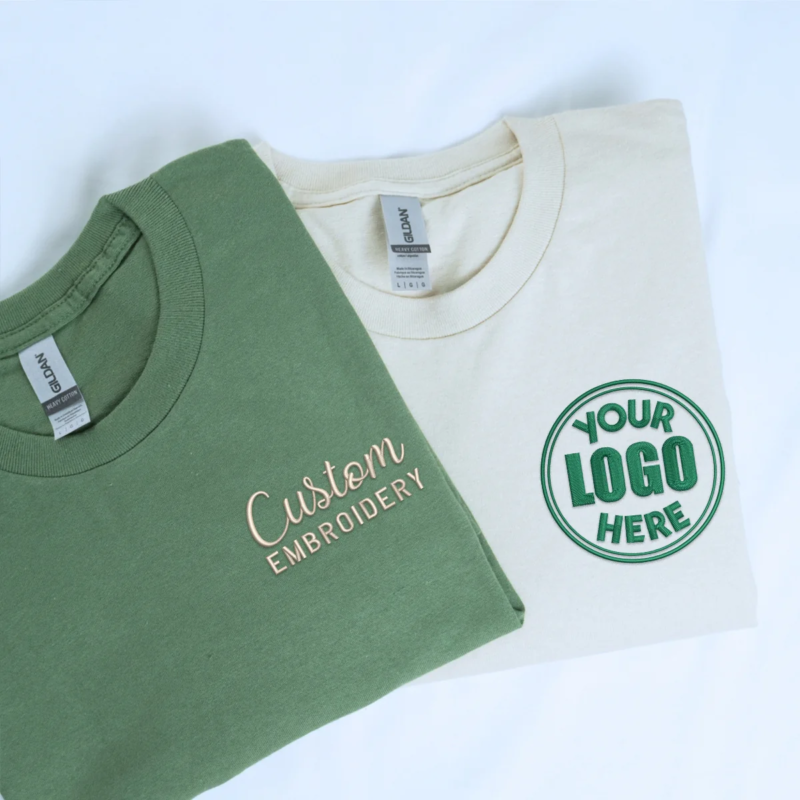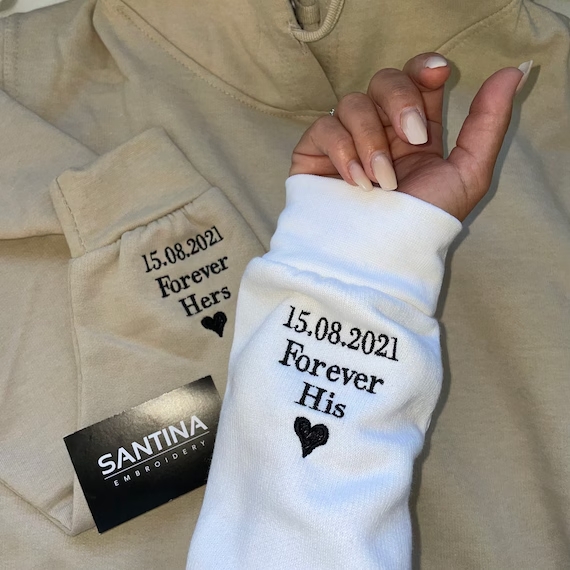

Custom embroidery patches that were once used solely for identification have become effective branding, style, and self-storytelling tools. Patches are a long-lasting and versatile way to express style through corporate uniforms and military insignia on the street, or through self-assembled, DIY style. Nevertheless, when determining which type of patch to apply, most individuals end up in a dilemma: an ironed or a sewn patch.
Convenience is not the only issue with this option- it has a direct effect on the duration of your patch, appearance during use, and performance across various factors. A deeper understanding of the differences between the two will help you make the best investment that suits your needs.
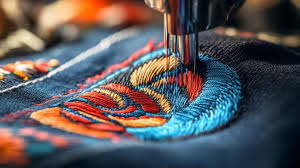
Understanding Iron-On Patches in Detail
Iron-on patches have a heat-activated adhesive on their back that bonds to fabric when heated. This sticking material is usually a thermoplastic that liquefies at high temperatures and hardens upon cooling, forming a bond between the patch and the clothing.
Availability is one of the greatest benefits of iron-on patches. There is no need for professional equipment or advanced skills; even a regular household iron will suffice. That is why they are particularly attractive to those with DIY projects, small businesses that produce small orders, or those who want a fast solution for customization.
The application process is quite easy, but to make a good connection, it should be done correctly. Aspects such as heat level, pressure, and time are all important. If the heat is insufficient, the adhesive will not work. When it is too high, you will ruin the patch and the garment. The adhesive bond may deteriorate over time, even when used properly, particularly when subjected to continuous washing programs, high dryer temperatures, or external factors such as humidity.
Fabric compatibility is also another crucial factor. The iron-on patches can be used on cotton and polyester blends, and heat can be safely applied there. Other types, such as nylon, leather, or waterproof materials, may not adhere well or be destroyed by heat, which limits the locations where these patches can be applied successfully.
A Closer Look at Sew-On Patches
The most common and surest way to apply patches is to sew them. These patches are not attached with adhesives but actually sewn into the garment with thread (either by a sewing machine or a needle and a thread).
The major advantage of sew-on patches is their durability. Their attachment to each other is mechanical and will therefore not likely loosen over time. They are perfect for clothes that are washed regularly, subjected to extensive wear, or exposed to severe conditions, like in work uniforms, sports jerseys, or outdoor clothing.
Sew-on patches also offer unmatched versatility. They are also removable from any surface, unlike iron-on patches,, which can only be used on thin, heat-resistant materials. Regardless of whether you are working with denim, leather, canvas, or delicate fabrics, sewing is a safe and flexible answer.
Aesthetically, sewn patches may either integrate or be conspicuous, depending on the type of stitching and thread. A masterful stitch can make a connection almost invisible, whereas contrasting thread can provide a decorative border, adding a certain emphasis to the whole design.
With that said, sew-on patches are more labor-intensive. The craft of sewing is time-consuming, precise, and requires some skill. In large applications, it may require industrial machinery or professional services, which can increase costs and turnaround time.
Durability and Longevity Comparison
For iron-on and sew-on patches, durability is usually the deciding factor. Iron-on patches are convenient but depend solely on the strength of the adhesive. This adhesive can be damaged over time by heat, water, and friction. As a result, edges can start lifting, and the patch can finally peel away.
On the contrary, sew-on patches are constructed with durability. The patch is attached to the garment by its physical stitching, which is resistant to wear and tear. Sewen patches do not lose their place or structural integrity, even under extreme conditions such as frequent washing, heavy use, or outdoor service.
Sew-on patches are considered better than other options when a person wants a permanent solution, particularly in a work or high-performance setting.
Ease of Application and Practical Considerations
Iron-on patches are definitely superior in ease of use. Their appeal also lies in the ability to use a patch within minutes without special instruments, which is highly attractive to novices or those working on quick projects. They are also suitable for cases where patches need to be applied on a large scale over a limited period.
Sew-on patches, in their turn, demand more preparation and effort. This is time-consuming: aligning the patch, fastening it, and sewing it. Nonetheless, such additional effort usually yields a more stable and safer outcome.
In business, the choice is usually between labor costs and product quality. Iron-on patches can save on application time, whereas sew-on patches can save on replacement expenses in the long term because they are long-lasting.
Aesthetic Differences and Design Impact
Although either type of patch may be aesthetically attractive, the fastening method may affect the overall appearance. The iron-on patches are usually smooth and flat, with no visible stitches, and they lay flat on the clothes. This is desirable to current, minimalistic designs.
Sew-on patches have a visual appearance enhanced by stitching. This may or may not change the look of the design,, but may add to it, depending on the method of applying the thread colour, or slightly change it. One use of this is that a patch can be bordered with a bold stitch, and the reverse can use a hidden stitch to make it look virtually like an iron-on finish.
Finally, the decision is left to the subjective and the preferred appearance.
When to Use Each Type
Patches made of iron are best applied temporarily, on lightweight clothing, or in situations where both speed and convenience are a priority. They are usually applied to fashion items, event merchandise, or on-the-fly repair.
Embroidered patches are good in the long run, for heavy clothes, and for the work environment. They are commonly used on uniforms, jackets, backpacks, and other items that need to be washed frequently or worn for a long time.
A combination of both could be a very useful solution for those who want convenience and durability, embrace heat to fix the patch, and then sew it a bit.
Final Thoughts
The choice between iron-on and sew-on patches ultimately depends on your priorities. If you value speed, ease, and a clean finish, iron-on patches are a practical option. If durability, versatility, and long-term reliability are more important, sew-on patches are the better investment.
Rather than viewing one as universally better than the other, it’s more useful to think of them as tools suited to different purposes. By understanding their strengths and limitations, you can choose the option that best aligns with your specific project, ensuring both functionality and style.